


Products Description
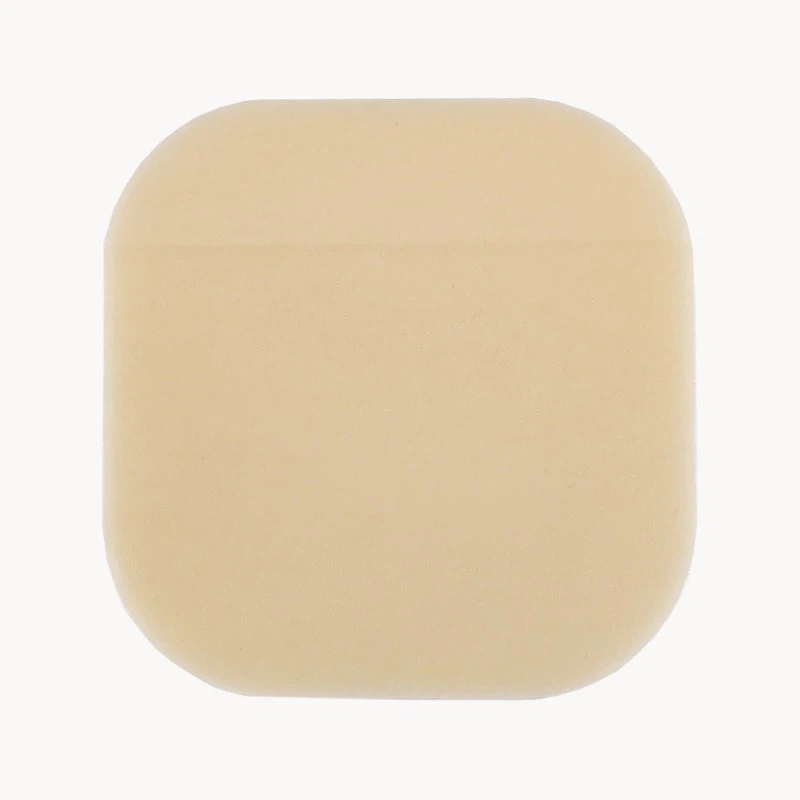
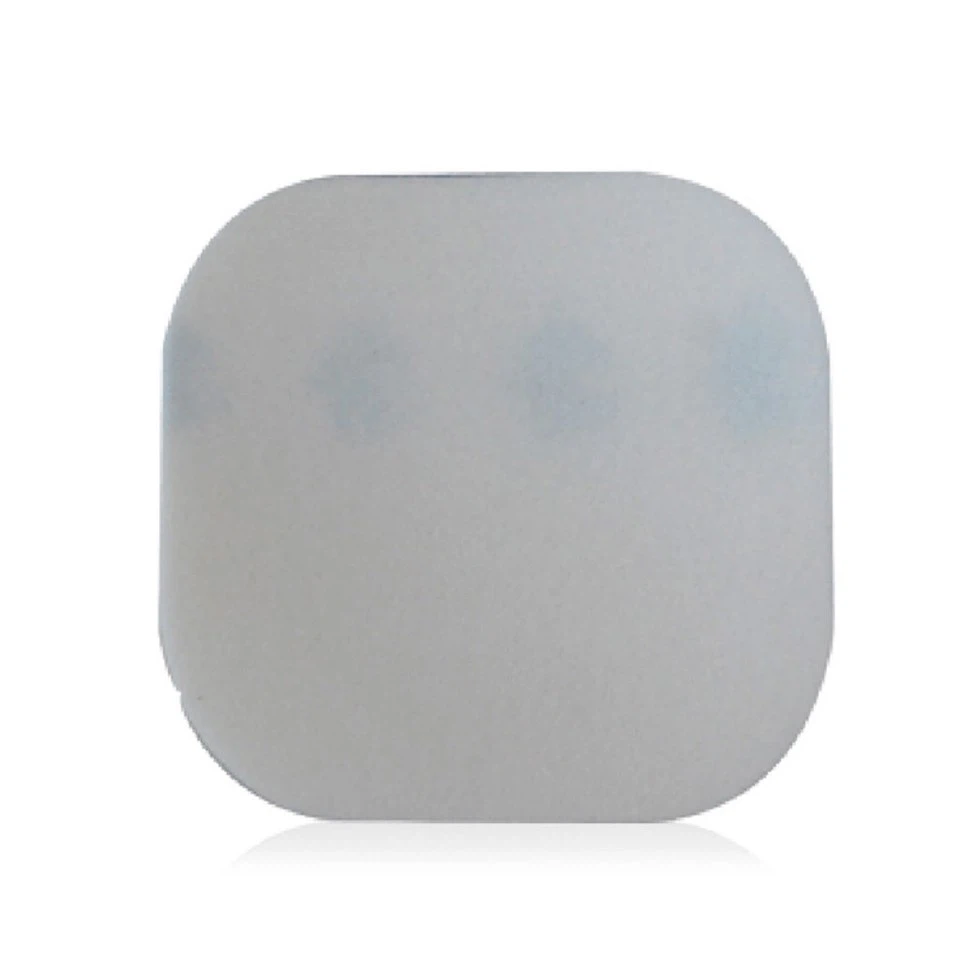
Hydrocolloid Foam Dressing is based on Ultra Thin Hydrocolloid Dressing, adding a foam layer. This Hydrocolloid adheres firmly and forms a gel upon contact with exudate (for non-adherent wounds), while foam dressings can absorb large amounts of exudate. Its advantage is that it not only retains the protective healing properties of hydrogel dressings but also addresses the issue of insufficient exudate absorption, thus expanding the clinical application range of advanced wound dressings.
Specifications
|
Product Size |
Code |
|
|
inch |
mm |
|
|
2 x 2 |
50 x 50 |
HDF2020 |
|
3 x 3 |
75 x 75 |
HDF3030 |
|
4 x 4 |
100 x 100 |
HDF4040 |
|
6 x 6 |
150 x 150 |
HDF6060 |
|
8 x 8 |
200 x 200 |
HDF8080 |
Features
Dual-layer Absorbency
It has an inner hydrocolloid layer that forms a gel to maintain a moist healing environment and an outer or middle foam layer that provides extra absorption capacity for higher levels of exudate than a standard, thinner hydrocolloid dressing.
01
Cushioning and Protection
The foam provides a soft, protective cushion that helps to distribute pressure and reduce friction on the wound site, which is especially useful for areas with bony prominences like the heels, elbows, and sacrum.
02
Waterproof
The outer layer is typically a semipermeable polyurethane film that is a liquid barrier, allowing the patient to shower without compromising the dressing's integrity.
03
Long Wear Time
Strong absorption, stable performance, can be worn for 3-7 days, reducing the frequency of dressing changes and minimizing disruption to the healing wound.
04
Applications
The Hydrocolloid foam dressing is generally indicated for the management of acute and chronic wounds that are uninfected and produce light to moderate exudate.
Common applications include:
Pressure ulcers (bedsores), particularly stages I, II, and some stage III/IV wounds that are not heavily draining.
Venous and diabetic leg ulcers.
Minor burns and superficial partial-thickness burns.
Surgical wounds and other traumatic wounds like abrasions.
Wounds in hard-to-dress areas that are prone to friction and require extra padding.