

I.V. Dressing
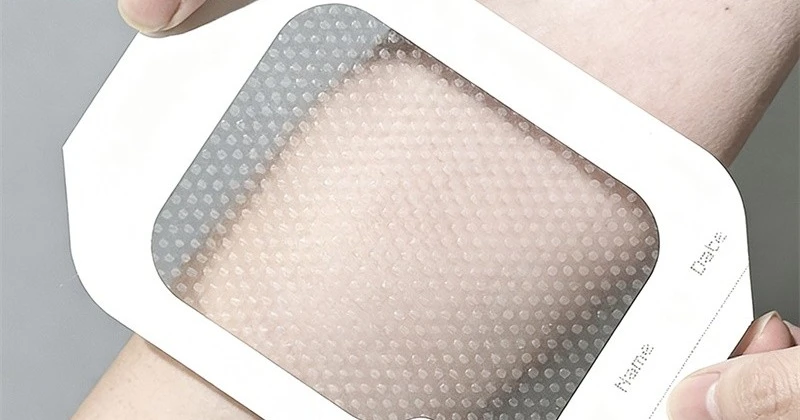
Product Introduction
I.V. Dressing mainly include I.V. Dressing with Paper frame, Non-Woven l.V. Dressing, PE Foam I.V. Dressing, I.V. Dressing High-Permeable, Hydrocolloid I.V. Dressing and I.V Dressing with Squares. They form sealed/semi-sealed environments to stably fix cannulas and puncture sites, replacing traditional tape, and are core supplies for IV therapy.
Product Advantages and Features
Strong fixation and high safety; hypoallergenic adhesive reduces skin irritation. Breathable materials prevent stuffiness, redness or pressure sores. Most are waterproof and anti-contamination; transparent types allow puncture site observation, and some absorbent versions extend cannula use.
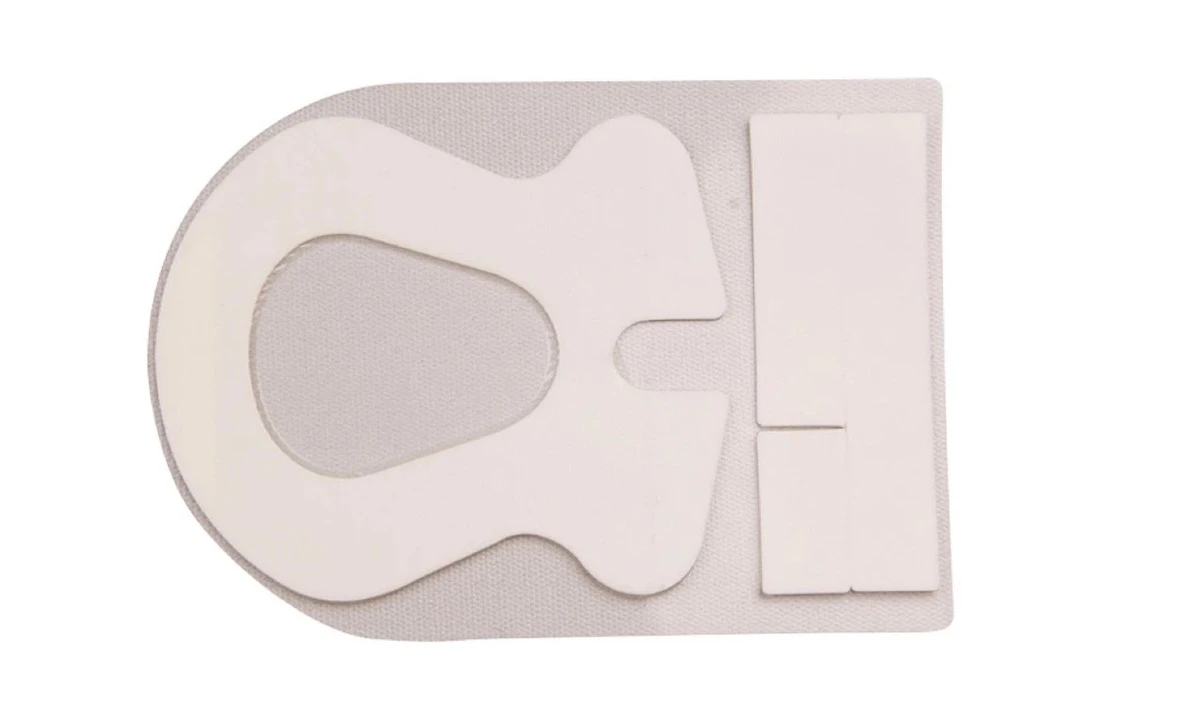


Type of product
I.V. Dressing with Paper frame
Non-Woven l.V. Dressing
PE Foam I.V. Dressing
I.V. Dressing High-Permeable
Hydrocolloid I.V. Dressing
I.V Dressing with Squares
Product Application
It is widely used in clinical intravenous infusion scenarios, suitable for securing peripheral venous indwelling needles in adult, pediatric, and elderly patients, such as indwelling needle care at sites like the back of the hand and forearm. It can meet the needs of short-term infusion (e.g., outpatient treatment) and medium-to-long-term infusion (e.g., continuous treatment for inpatients), and is also applicable for indwelling needle protection in special treatments such as chemotherapy and antibiotic infusion, ensuring the stability of the indwelling needle and the safety of the puncture site during the infusion process.
FAQ
Q: What is an IV dressing?
A: An IV (intravenous) dressing is a specialized covering applied to the skin over the site where an IV catheter has been inserted into a vein. Its primary purpose is to secure the catheter in place and to protect the puncture site from bacteria and contamination, which helps prevent infection.
Q: When should I use an I.V. dressing?
A: An I.V. dressing should be applied immediately after a vascular access device (like a peripheral IV or a central line) is inserted into a patient's vein. The primary purpose is to cover and protect the catheter insertion site to reduce the risk of infection and keep the catheter securely in place.
You should use an I.V. dressing in the following circumstances:
Immediately After Insertion: A sterile dressing is crucial immediately following the placement of any intravenous catheter to create a barrier against bacteria.
As a Routine Maintenance: Dressings need to be maintained and changed regularly to ensure the site remains clean and visible.
If the Dressing is Damaged: The dressing must be replaced immediately if it becomes wet, soiled, loose, or visibly damaged.
If There Are Signs of Infection: If the area around the I.V. site shows signs of redness, swelling, warmth, pain, or discharge, the dressing should be removed, the site assessed by a healthcare professional, and a new dressing applied after appropriate care.
According to Schedule:
Transparent dressings (most common): Typically changed every 5 to 7 days, or immediately if integrity is compromised.
Gauze dressings: Changed at least every 2 days (48 hours), as they do not offer the same visibility or bacterial barrier as transparent dressings.
The use of an I.V. dressing is a standard infection control measure in healthcare settings. It is a critical step in preventing catheter-related bloodstream infections.
An I.V. dressing should be used immediately after the insertion of any intravenous (I.V.) catheter or cannula to secure the device in place and protect the insertion site from contamination
Q: How many days to change IV dressing?
A: An IV bandage (dressing) should generally be left on until it becomes loose, soiled, wet, or when the IV catheter is removed. Guidelines from health organizations often recommend specific change frequencies based on the type of dressing:
Transparent semipermeable dressings (most common): These can typically be left on for up to 7 days if they remain intact and the site looks healthy.
Q: Can I shower or bathe with the I.V. dressing in place?
A: An I.V. dressing should be kept dry to prevent infection. You can usually shower if you take precautions to protect the site, but bathing (submerging the site in water) should be avoided.
Showering with an I.V. Dressing
Keep it dry: Most I.V. dressings are not completely waterproof. Getting the dressing wet can allow bacteria to enter the site, leading to a serious infection.
Use a waterproof cover: The safest method is to use a specific waterproof cover designed for I.V. sites or a sturdy plastic bag (like a large Ziploc or trash bag) secured tightly above the dressing with tape or a rubber band.
Quick showers: Keep showers brief and avoid directly spraying water onto the I.V. site.
Bathing
Avoid bathing: Do not submerge your I.V. site or dressing in bath water. Soaking in water is much riskier for infection than a quick shower.
If the dressing gets wet
Change it immediately: If the dressing accidentally gets wet, it must be removed and a new, sterile dressing applied immediately to prevent infection.
Contact healthcare provider: If you are unable to change the dressing yourself, contact your healthcare provider or a home health nurse right away.
Always follow the specific instructions given by your healthcare provider regarding care for your I.V. line.
You should not rely on the standard I.V. dressing alone to keep the site dry during a shower or bath. The dressing must be kept completely dry to prevent infection. You must take extra precautions to cover the site and should never submerge the site underwater, even with a cover.
Q: What type of dressing is used for IV?
A: The most common and recommended type of dressing used for intravenous (IV) sites is a transparent semipermeable membrane (TSM) dressing, also known as a transparent film dressing.
As one of the leading i.v. dressing manufacturers and suppliers and US, we specialized in providing high quality products and service. We warmly welcome you to buy custom made i.v. dressing from our factory.
clear iv dressing, Dressing Transparent Film with Frame style, iv fixation dressing