



Products Description
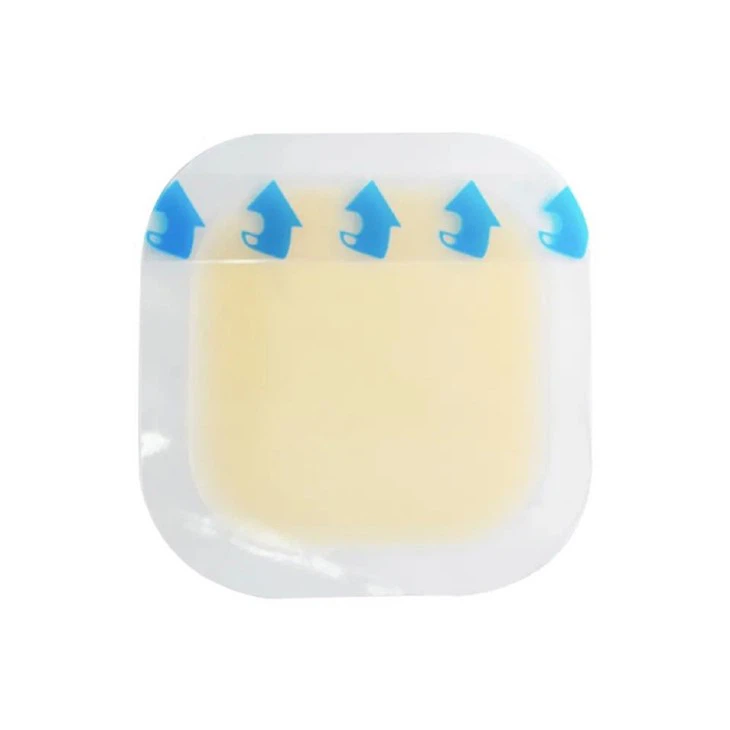
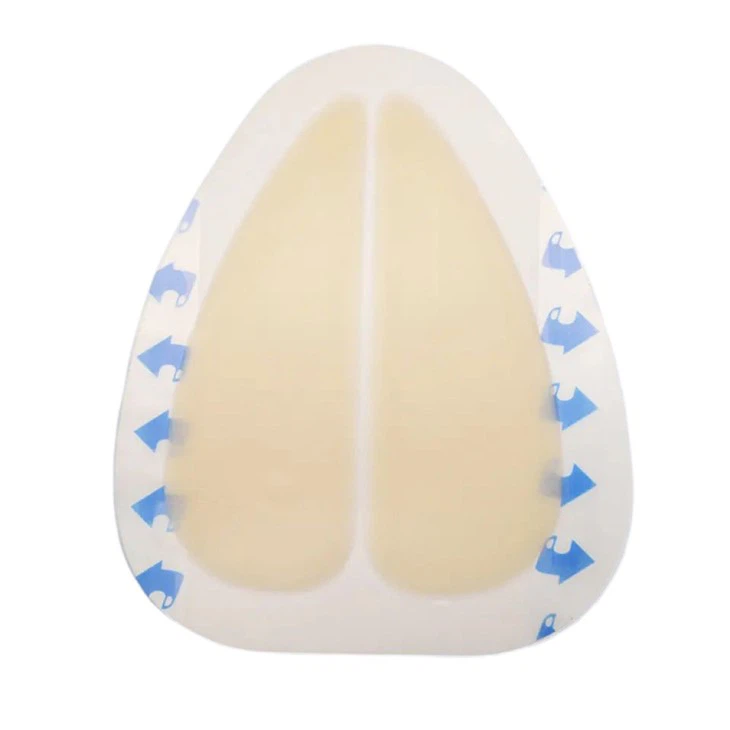
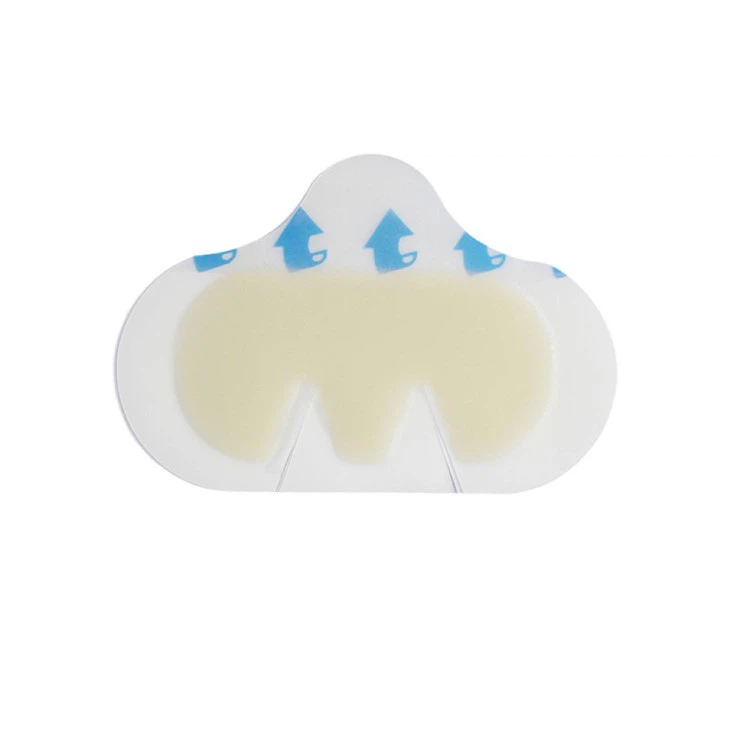
Hydrocolloid Border Dressing is a self-adhesive wound dressing that features an extra layer of adhesive around the edges to provide secure fixation, prevent edge roll-up, and seal the wound from external contaminants. The primary difference from standard hydrocolloid dressings is this integrated, secure border.
The central part is thicker, while the area surrounding the patch product is thinner, with the thickness at the edges of the molding typically being 0.3 mm.
Liquid absorption capacity: 2.83 g/g/24 hours/37°C, 3.23 g/g/72 hours/37°C (for reference only).
Specifications
|
Product Size |
Code |
|
|
inch |
mm |
|
|
2 x 2 |
50 x 50 |
HDB2020 |
|
2 x 4 |
50 x 100 |
HDB2040 |
|
2 x 4.7 |
50 x 120 |
HDB2047 |
|
2.4 x 2.4 |
60 x 60 |
HDB2424 |
|
3 x 3 |
75 x 75 |
HDB3030 |
|
4 x 4 |
100 x 100 |
HDB4040 |
|
4 x 4.7 |
100 x 120 |
HDB4047 |
|
4 x 6 |
100 x 150 |
HDB4060 |
|
4 x 3.6 |
102 x 91 |
HDB4036 |
|
4.7 x 5.5 |
120 x 140 |
HDB4755 |
|
4.8 x 5.5 |
123 x 139 |
HDB4855 |
|
6 x 6 |
150 x 150 |
HDB6060 |
|
6 x 7.1 |
150 x 180 |
HDB6071 |
|
6 x 8 |
150 x 200 |
HDB6080 |
|
8 x 8 |
200 x 200 |
HDB8080 |
Features
Moist Healing Environment
The inner hydrocolloid layer contains gel-forming agents (like sodium carboxymethylcellulose, pectin, and gelatin) that interact with wound exudate (fluid) to form a soft gel. This creates an optimal moist environment that enhances the body's natural healing process and facilitates autolytic debridement (breakdown of dead tissue).
01
Secure Adhesion
The border provides a wide, secure, and often hypoallergenic, adhesive area that sticks to the intact skin surrounding the wound, not the wound bed itself, which minimizes pain and trauma upon removal. This secure fit also acts as a reliable barrier against bacteria, water, and other external contaminants.
02
Waterproof
The outer layer is typically a semipermeable polyurethane film that is a liquid barrier, allowing the patient to shower without compromising the dressing's integrity.
03
Anti-adhesion and pain reduction
Hydrocolloid technology and medical-grade pressure-sensitive adhesive reduce the pain of dressing changes and protect newly formed tissue.
04
Long Wear Time
Strong absorption, stable performance, can be worn for 3-7 days, reducing the frequency of dressing changes and minimizing disruption to the healing wound.
05
Applications
Various mild to moderate exudative wounds.
Prevention and treatment of stage I-II pressure ulcers.
Minor superficial burns.
Post-operative wounds.
Skin graft sites.
Chronic wounds in the granulation and epithelialization stages.
Venous ulcers, phlebitis, lymphangitis, etc.
Wounds after plastic surgery.
FAQ
Q: What is a hydrocolloid dressing used for?
A: A hydrocolloid dressing is a type of bandage used for treating clean, uninfected wounds with light to moderate drainage. When it comes in contact with wound fluid, the inner layer forms a gel that creates a moist, protected healing environment.
Q: When should you not use a hydrocolloid dressing?
A: You should not use a hydrocolloid dressing on infected wounds, wounds with heavy drainage, or deep wounds. They are also not suitable for dry wounds or for people with fragile skin who may be prone to skin tears when the dressing is removed.