


Products Description
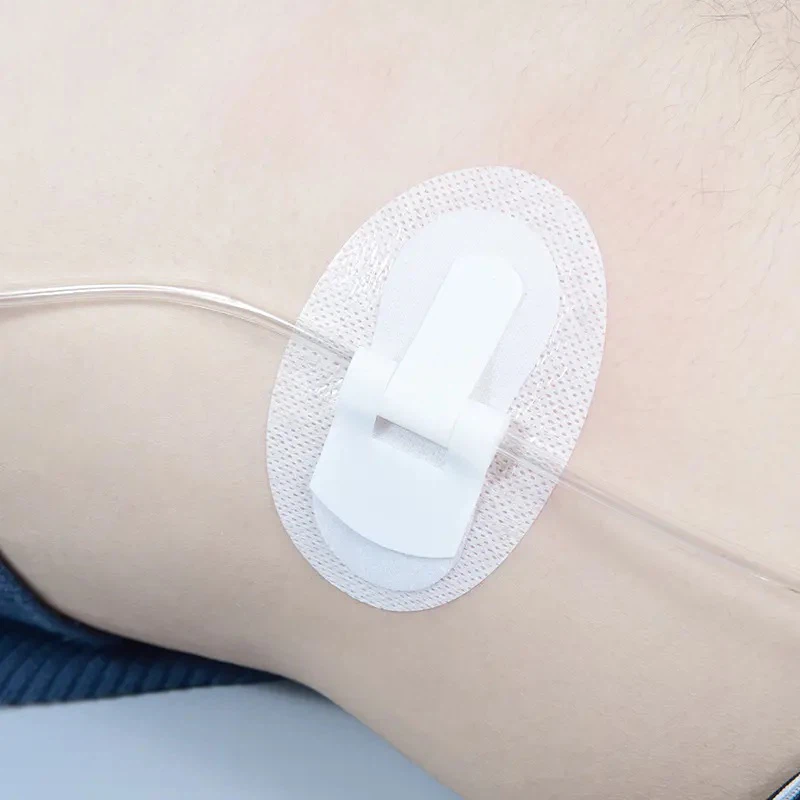
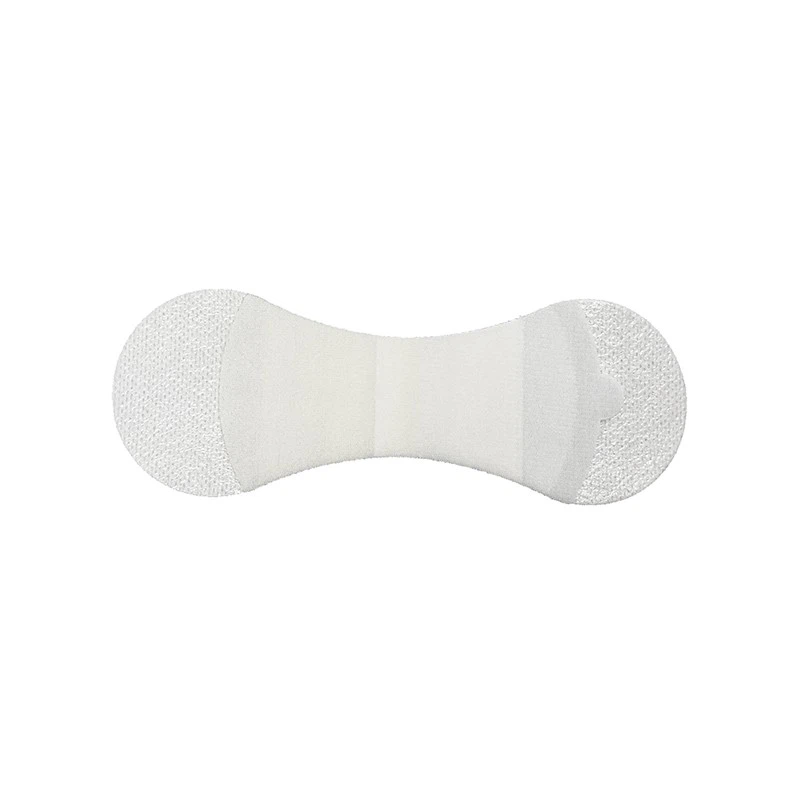
Foley Catheter Stabilization Device securely holds the catheter in place to prevent accidental dislodgment, reduce urethral trauma, and improve patient comfort. They are available in various styles, including adhesive patches and catheter leg straps, each offering different benefits.
It uses a reliable structure to firmly secure the urinary catheter to the abdominal wall or inner thigh, preventing catheter displacement, slipping, or accidental pulling, which reduces the risk of urethral mucosa injury and urinary tract infections, and some models add a secondary anti-shake locking component to maintain stability even during increased patient activity
Specifications
|
Product Size |
Code |
|
|
inch |
mm |
|
|
2.6 x 4.2 |
65 x 105 |
FCS2642 |
|
3.4 x 5 |
85 x 125 |
FCS3450 |
Feature
Secure Fixation
Fixes to the abdominal wall/thigh via adhesive patches, straps, or clips; prevents catheter traction and displacement, reducing the risk of urethral mucosa injury and catheter dislodgement.
01
High Compatibility
Fits indwelling catheters of different sizes (e.g., F12-F24) and works with silicone, latex, and other catheter materials; some models have adjustable clips/straps, no need for separate selection by catheter type.
02
Comfort & Hypoallergenic
Skin-contact patches use medical hypoallergenic adhesive (e.g., acrylate adhesive); breathable base material fits body curves, avoiding redness or itching with long-term use.
03
Easy Operation
Adhesive types can be fixed by peeling off the film (no residue when removed); adjustable types allow fine-tuning, without interfering with catheter care or drainage bag replacement.
04
Anti-Compression
Loose-fitting structure avoids pressing skin or blood vessels, suitable for bedridden patients (e.g., elderly, post-op) to reduce skin redness risk.
05
Application
Clinical care: Suitable for patients with short-term indwelling catheters (post-op) and long-term indwelling catheters (urinary retention/incontinence); prevents displacement and reduces injury.
ICU: Secures catheters to avoid dislodgement or accidental removal, ensuring urine volume monitoring and condition assessment.
Home care: Easy to operate, hypoallergenic and comfortable, meeting the daily activity needs of home patients.
Rehabilitation institutions: Adapts to rehabilitation training, prevents catheter traction, and supports the rehabilitation process.